
What Liverpool's Cybersecurity Scene Actually Looks Like Right Now


What I'm Actually Seeing Change Across Liverpool
Ask anyone in Liverpool whether cybercrime feels closer to home than it did five years ago, and I'd put money on the answer being yes. I don't say that to alarm you, I say it because it's true and because the shape of the problem has shifted. It isn't just banks and government departments in the firing line anymore. It's the hairdresser on Bold Street taking bookings through an app, the family running a market stall from their phone, and the ordinary Scouser doing the weekly shop online from the sofa.
Liverpool has grown into a genuine tech and digital hub over the last decade, and that's brilliant news for the city. More businesses online means more jobs and more opportunity. It also means more doors for criminals to try, which is the part nobody puts on the tourist board.
The Scams I'm Seeing Hit Local Businesses Hardest
The pattern I see most often with small Liverpool businesses is invoice fraud. A criminal gets into an email account, watches quietly for weeks, then sends a fake invoice or a change of bank details message at exactly the moment a payment is due. It looks completely normal because it's sitting inside a real email thread. I've had clients nearly lose four figures to this exact trick, and the only thing that saved them was picking up the phone to double check before paying. If you want to know what these emails actually look like in the wild, I've broken it down properly in my guide to spotting a phishing email before you click anything.
Right behind invoice fraud is the fake courier text, the your parcel couldn't be delivered message that leads to a cloned payment page. I wrote a whole piece on the online shopping scams I warn Liverpool shoppers about, and the delivery scam is still the one catching the most people out.
Why Small Businesses Are Still the Soft Target
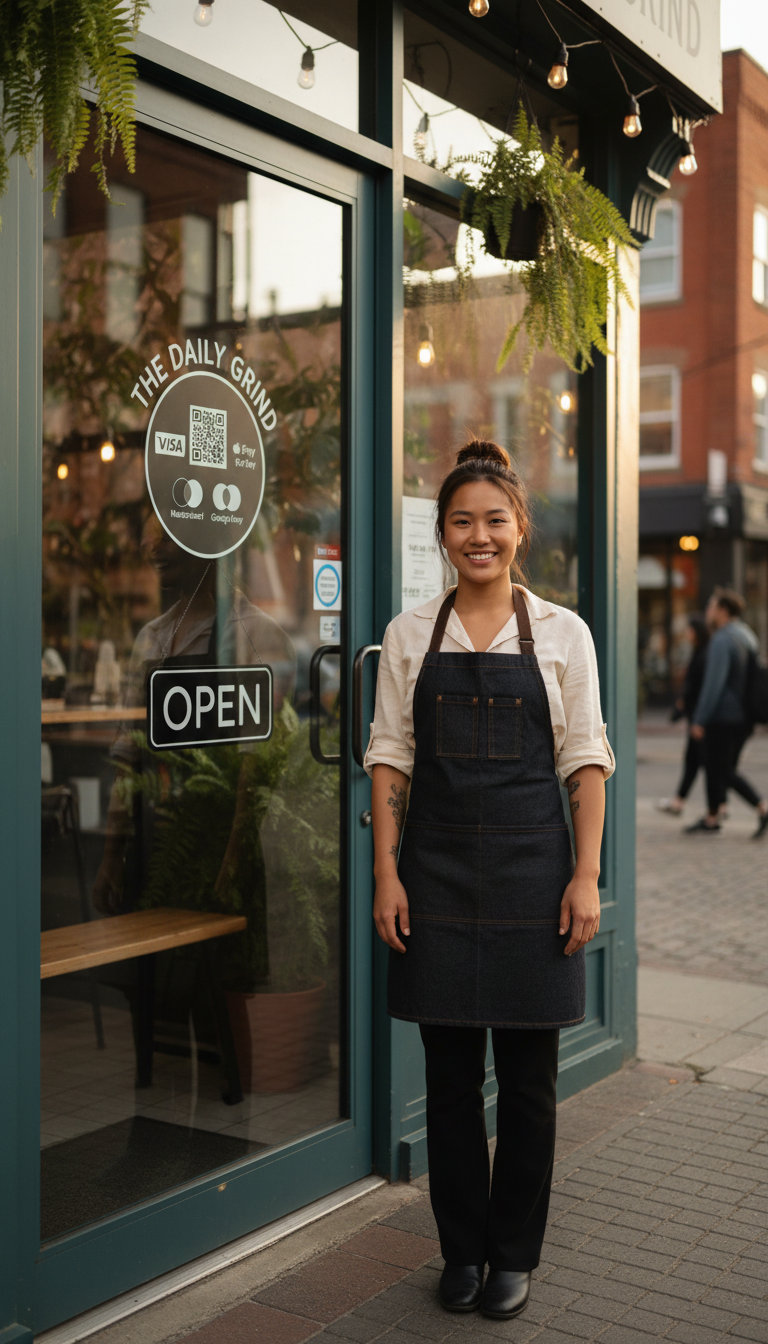
Here's the uncomfortable truth. Bigger companies have IT teams, security budgets, and someone whose entire job is worrying about this stuff. A hairdresser, a plumber, or a small online shop usually has none of that. They've got a laptop, a phone, and a to-do list a mile long. Criminals know this, and they treat small businesses as the easy option rather than the interesting one.
I put together a longer piece on how I stay ahead of cybercriminals in Liverpool if you want the fuller picture, but the short version is that you don't need a security team to be well protected. You need a handful of habits done consistently, which is exactly what the next bit covers.
The Basics I Keep Coming Back To
Whatever changes in the wider landscape, the fundamentals barely move, which is honestly good news because it means you don't need to relearn your entire approach every few months. A proper password manager, not sticky notes or the same password everywhere, closes off the single biggest door criminals walk through. Two factor authentication closes off most of what's left. If you're working from cafes, co-working spaces, or public wifi around the city centre, a VPN like NordVPN keeps that traffic private on networks you don't control.
None of this is complicated once it's set up, and I go through all of it, along with securing a home network, step by step over in the Safety Toolkit.
Where I Think This Is Heading
AI is going to make scam messages harder to spot, not easier, because the spelling mistakes and clunky phrasing that used to give the game away are quietly disappearing. That's the honest, slightly uncomfortable truth about where things are heading. The flip side is that the basics I've just covered still work regardless of how convincing the scam looks, because they don't rely on you spotting a fake, they rely on a criminal not being able to get in even if you do click the wrong thing.
If you want a proper national view alongside my Liverpool-focused one, Get Safe Online is a solid, independent resource worth bookmarking. And if you'd rather just talk it through with an actual person instead of reading another article, get in touch and I'll point you in the right direction.