
Why I Treat Two-Factor Authentication as Non-Negotiable


Why I Stopped Trusting Passwords Alone
A password on its own is just one lock on one door, and passwords leak more often than people realise, through data breaches, phishing pages, and reused logins on sites that get hacked somewhere else. Two-factor authentication adds a second check, so a stolen password by itself isn't enough for someone to get into your account. It's the single change I recommend most often, because it closes off the easiest way in.
What Two-Factor Actually Buys You
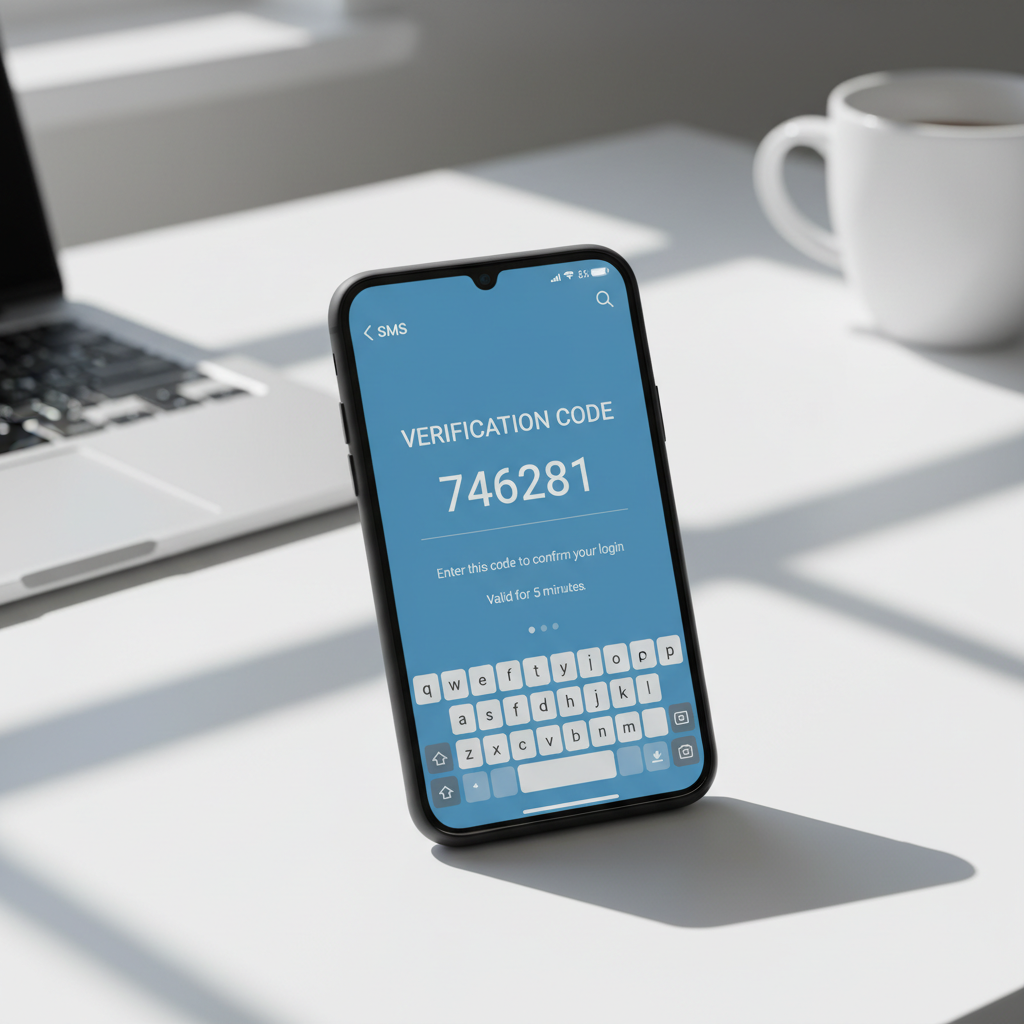
Turning it on means a leaked password becomes far less dangerous, since whoever has it still needs the second piece, usually a code on your phone or an app-based approval. I've walked through the process step by step separately if you want to get it running properly, and it takes a few minutes per account once you know where to look. If I'm setting things up while I'm out and about, I'll usually have NordVPN running too, just so the connection itself isn't the weak link.
The Accounts I Never Leave Without It
Email comes first, because it's usually the account a scammer can use to reset everything else. After that I'd prioritise banking, anything storing payment details, and social media, since a hijacked account there gets used to target people who trust you. If you only have time to protect a handful of accounts, start with those.
Where a Password Manager Fits In
Two-factor works best alongside strong, unique passwords, and that's where a password manager like NordPass earns its place, generating and storing a different password for every account so you're never reusing one that's already been exposed somewhere else. It also makes the second step less of a hassle, since you're not juggling passwords from memory.
My Honest Advice If You're Still on the Fence
It feels like an extra step until the day it saves you, and by then you'll wonder why you waited. If you want a wider look at what I use day to day, my Safety Toolkit lists the tools I actually rely on, and I've also written about the phishing tricks I keep seeing that make stolen passwords so common in the first place. If anything about this feels confusing, feel free to get in touch and I'll walk you through it.