Where I Think Phishing Emails Are Headed Next

The Sender Games Are Getting Better
AI tools mean phishing emails read more fluently now, sound more local, and reference real details scraped from LinkedIn or a company website. The bad spelling giveaway is fading fast, so I lean more on checking the actual sender address and less on typos as a red flag. I've written about the red flags I always check first, and that habit matters more now than ever, not less.
Voice and Video Are Joining the Email
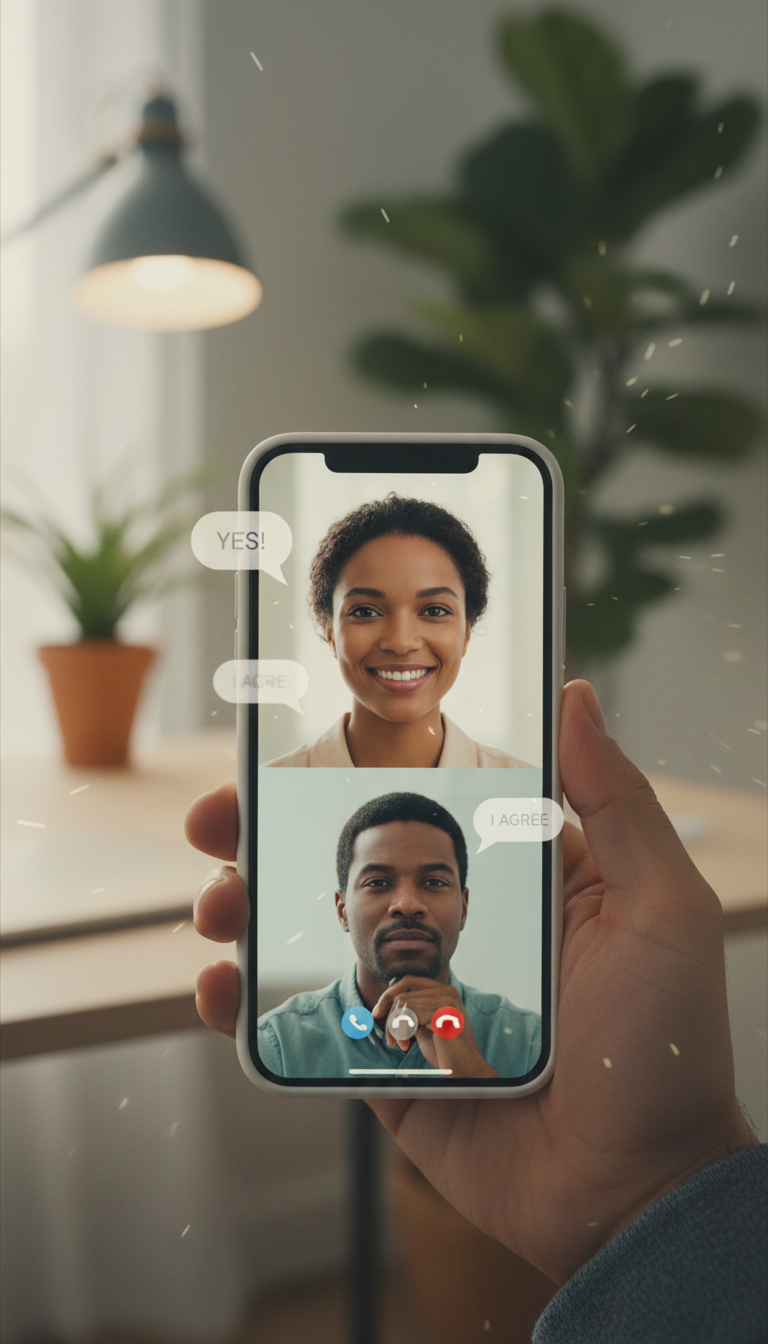
It's not just email anymore. I'm seeing phishing attempts paired with voice notes or video clips generated to sound like someone you know, following up on an email to make it feel more convincing. If someone claiming to be a colleague or family member pushes you toward an urgent request by email and then by voicemail, that combination alone is worth treating as a red flag.
Fewer Mass Blasts, More Targeted Attempts
Spray and pray phishing hasn't gone away, but I'm seeing more attempts that clearly did some homework first, mentioning your actual employer, a recent order, or a real event happening in Liverpool. That personalisation is designed to lower your guard. Slow down precisely when an email feels like it knows you.
What Actually Still Works Against It
None of this changes the basics much. Verify through a second channel, don't click links in unexpected emails, and turn on two factor authentication so a convincing email alone isn't enough to get into your accounts. A password manager like NordPass also means you're not reusing the same password across every account a scammer might target, and if you do fall for a convincing one, report it through Action Fraud so it's on record.
Staying Ahead Without Becoming Paranoid
I don't think the answer is to distrust every email that lands in your inbox, that's exhausting and not sustainable. It's to build a habit of pausing on anything asking for money, login details, or urgent action, regardless of how convincing it looks. My Safety Toolkit has more on building that habit properly, and if you want a second opinion on something that's landed in your inbox, feel free to get in touch.