The Online Safety Misconceptions I Still Hear All the Time


Why These Myths Are So Persistent
Most of the online safety advice I give isn't complicated, but a handful of quiet assumptions keep getting in the way of people actually using it. They're not stupid or careless assumptions, they're just things that sound reasonable until you actually think them through. I hear the same handful of myths in Liverpool again and again, from people who are genuinely careful in every other part of their life. So I want to go through the ones that come up most, because clearing them up tends to do more good than another list of tips.
Myth: I've Got Nothing a Scammer Would Want
This is the one I hear most, usually from people who don't think they're "important" enough to target. But scammers aren't after your secrets, they're after your access. Your email can be used to reset other accounts. Your name and address are enough to open credit somewhere. Your social media login can be used to scam your friends and family, who trust a message from you more than one from a stranger. You don't need to be wealthy or high profile to be useful to someone running a scam at scale.
Myth: I'd Notice Straight Away If Something Was Wrong
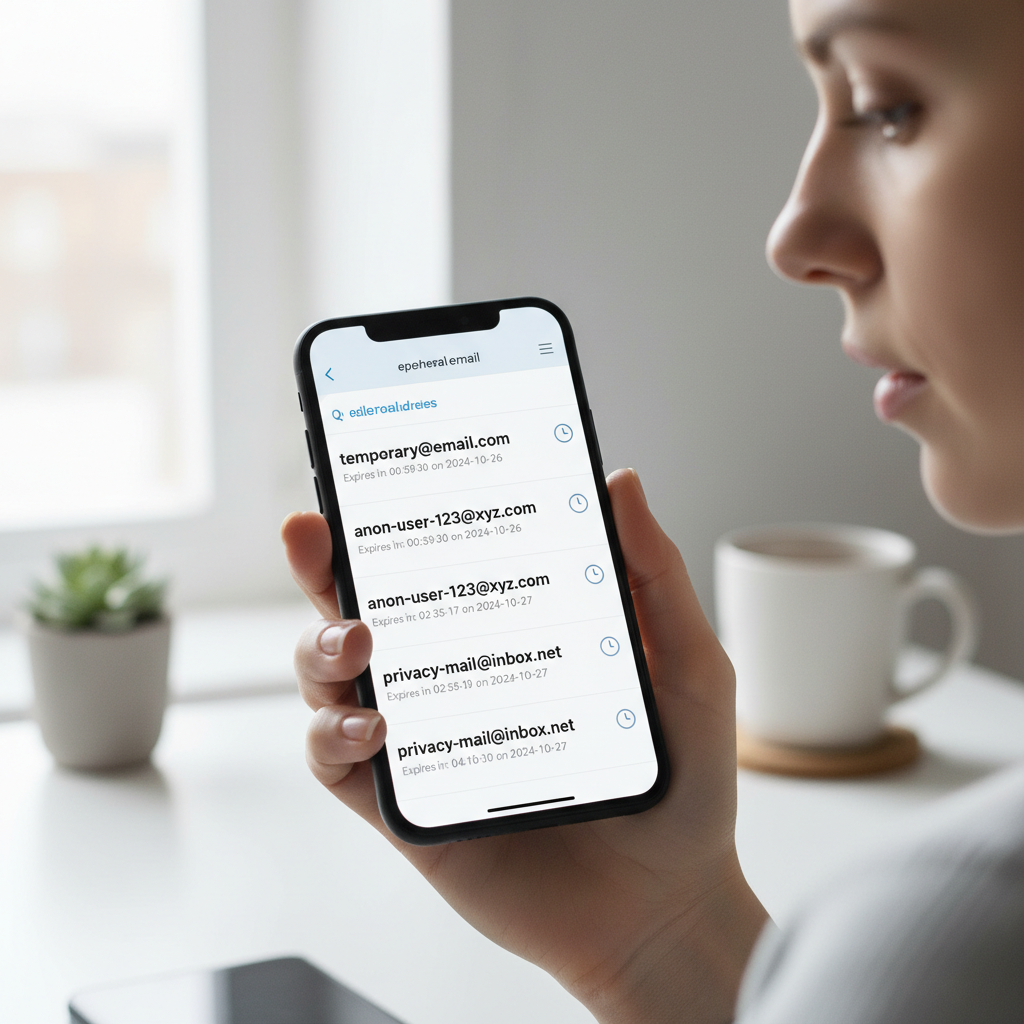
A lot of people assume a hacked account or a data breach would be obvious, some dramatic sign that something's gone wrong. In reality, the most damaging breaches are the quiet ones. A scammer with access to your email might sit there for weeks reading your messages before doing anything, working out which accounts you use, when you're likely to be online, and who you'd trust a message from. The damage often isn't visible until it's already been done, which is exactly why waiting to notice something is wrong isn't a safety strategy.
Myth: Deleting an App or Closing an Account Gets Rid of My Data
Deleting an app from your phone removes the icon, not necessarily what it collected while it was there. Closing an account doesn't always trigger a full deletion of your information either, and even when it does, a copy may already sit in a backup or with a data broker who bought it months earlier. I'm not saying this to make you paranoid about every app you've ever installed, just to explain why the safest move is being careful about what you hand over in the first place, rather than assuming you can tidy it up later.
The One Habit That Actually Closes These Gaps
If there's one thing that deals with all three of these myths at once, it's treating your accounts like they're worth protecting properly, before anything goes wrong, not after. That means a password manager (I use NordPass) so every account has its own strong password, two factor authentication so a leaked password isn't enough on its own, and a habit of checking Have I Been Pwned every so often to see whether your details have turned up somewhere they shouldn't. None of it takes long, and all of it is far easier than cleaning up after the fact. My Safety Toolkit has the tools I actually recommend, or you can get in touch and I'll talk you through it.