The Voice Clone Call That Almost Had Me Fooled

The Call That Sounded Exactly Like My Nephew
My phone rang on a Tuesday evening and the voice on the other end was unmistakably my nephew. Same pitch, same way he rushes his words when he's stressed, even the little laugh he does halfway through a sentence when he's nervous. He said he'd been in a car accident, that he needed money transferred straight away to cover a tow truck and an excess payment, and that he didn't want his mum finding out yet. Every instinct told me this was him. It wasn't. It was an AI-generated clone of his voice, built from clips of him talking on social media, and I came within a few taps of sending money before something made me pause.
I'm writing this because I nearly got caught, and because I think a lot of people assume voice cloning scams are still clumsy or rare. They aren't. The technology has moved fast, and the calls now sound close enough to a real family member that "I'd know my own nephew's voice" isn't the safety net it used to be.
How AI Voice Cloning Works With Just Seconds of Audio
What shook me afterwards was learning how little material a scammer actually needs. A short video posted online, a voicemail greeting, even a few seconds of someone talking in the background of a clip, is enough for modern voice cloning tools to build a convincing copy. The software analyses tone, pitch, pacing and accent, then generates new sentences in that same voice that the person never actually said.
This is why the old advice of "listen for anything that sounds off" doesn't hold up as well as it used to. The audio quality on these calls can be excellent, and scammers often add background noise, a shaky signal, or claim the person is in a stressful situation, which conveniently explains away any small imperfections in the voice. The panic in the story does a lot of the scammer's work for them, because it discourages the kind of calm, careful listening that might otherwise catch something wrong.
The Family Codeword That Stops This Cold
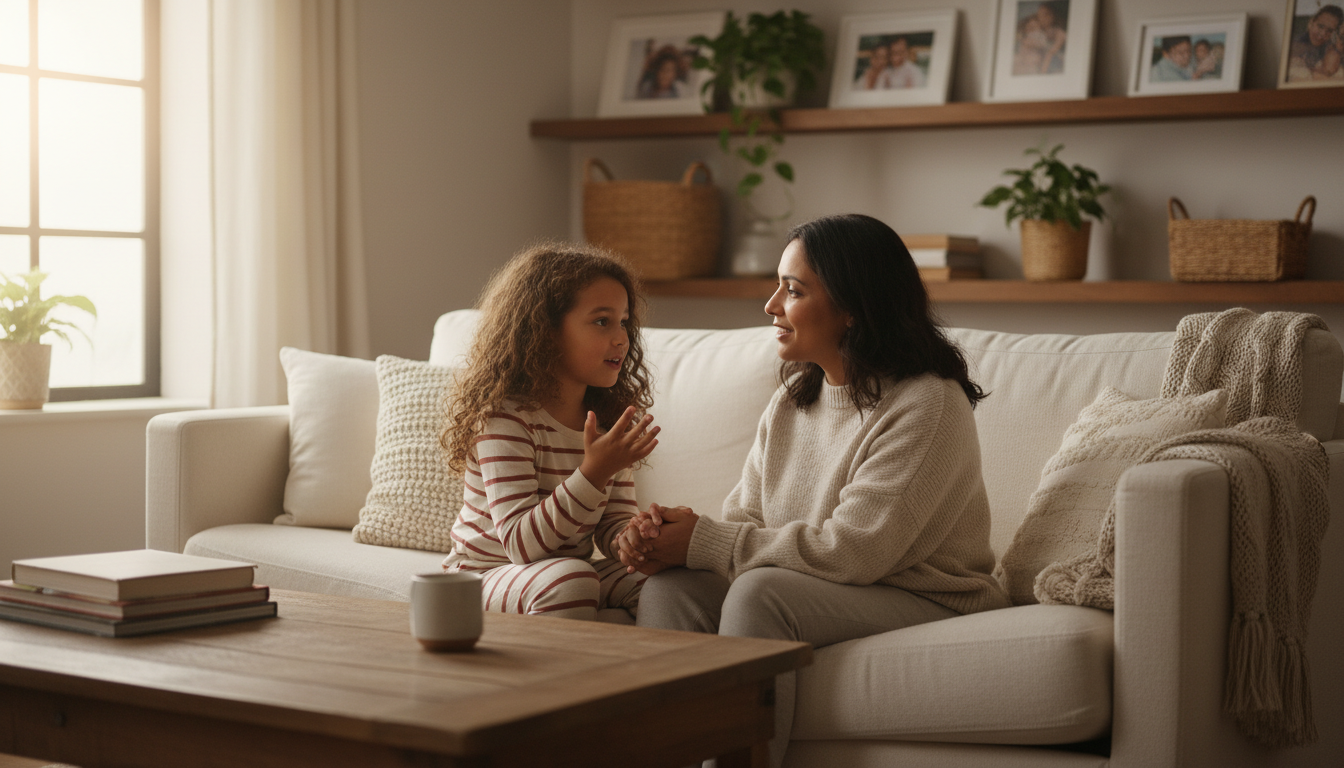
After that call, the first thing I did was set up a family codeword with my nephew, my sister, and my parents. It's a simple word or short phrase that has nothing to do with any of us personally, so it can't be guessed from a social media profile, and everyone in the family knows to ask for it if a call involves money, an emergency, or anything urgent.
The logic is straightforward. A cloned voice can copy how someone sounds, but it can't know a private codeword unless the real person has shared it, and a scammer working from a script has no way to supply it convincingly under pressure. If the person on the phone can't give the word, or hesitates and tries to change the subject, that's the moment to hang up and call them back directly on a number you already have saved, not one they've just given you.
I'd genuinely recommend this to anyone reading, whatever your family setup looks like. It takes about two minutes to agree on, and it turns an impossible question, does this voice sound right, into a simple one, did they say the word.
Other Signs the Call Isn't Who It Claims to Be
Beyond the codeword, I've picked up a few habits that help me stay steady when a call like this comes in. Urgency is the biggest tell. Real emergencies rarely require an instant bank transfer with no other option, and a genuine request from a family member can almost always wait the few minutes it takes to call them back on a known number.
I'm also wary of any call that asks for payment in an unusual form, such as gift cards, cryptocurrency, or a transfer to an account I don't recognise. Legitimate emergencies, like a tow truck or a hospital fee, don't typically require that kind of payment method, and a scammer will often push for something fast and hard to trace.
Another habit I've built is simply not confirming details the caller should already know. If someone claims to be my nephew but seems to be fishing for his own middle name or his mum's address, that's backwards, and it's worth noticing. A real family member calling in a panic wouldn't need me to remind them who they are.
What I Do the Moment Something Feels Off
These days, if I get a call like that one again, I don't try to reason it out on the spot. I tell the caller I need to check something and I'll call them straight back, then I hang up and ring my nephew directly, using the number already saved in my phone rather than anything given to me during the call. Nine times out of ten that alone reveals the truth within seconds.
I've also started talking about this openly with the wider family, including the older relatives I support, because the people scammers target hardest are usually the ones least likely to have heard that voice cloning is even possible. A quick conversation over a cup of tea about "if I ever ring you sounding panicked about money, ask me the word first" has done more for our family's safety than any piece of software could.
I've tightened up the basics too, since a scammer who's already studied one part of your life will happily use anything else they can find. My accounts now run on strong, unique passwords through NordPass, so if one login was ever exposed somewhere, it couldn't be reused to unlock everything else.
None of this requires any special technical skill, just a shared plan agreed in a calm moment, before you ever need it. That's the part that actually would have stopped me on that Tuesday evening, and it's the part I'd urge anyone reading this to sort out with their own family today.
If you want more practical steps like this one gathered in a single place, I've put together a free Safety Toolkit with checklists you can run through with your own family. For the official UK guidance on scam calls and messages, the NCSC also has clear advice worth bookmarking.