Tips for Safe Online Shopping: Protect Your Personal Information
JK
Understanding the Importance of Online Safety
In today's digital world, online shopping offers unparalleled convenience. However, it also comes with risks that can compromise your personal information. Being aware of these risks is the first step in safeguarding your data. By following a few simple guidelines, you can enjoy the benefits of online shopping without worrying about security threats.
Choose Reputable Websites
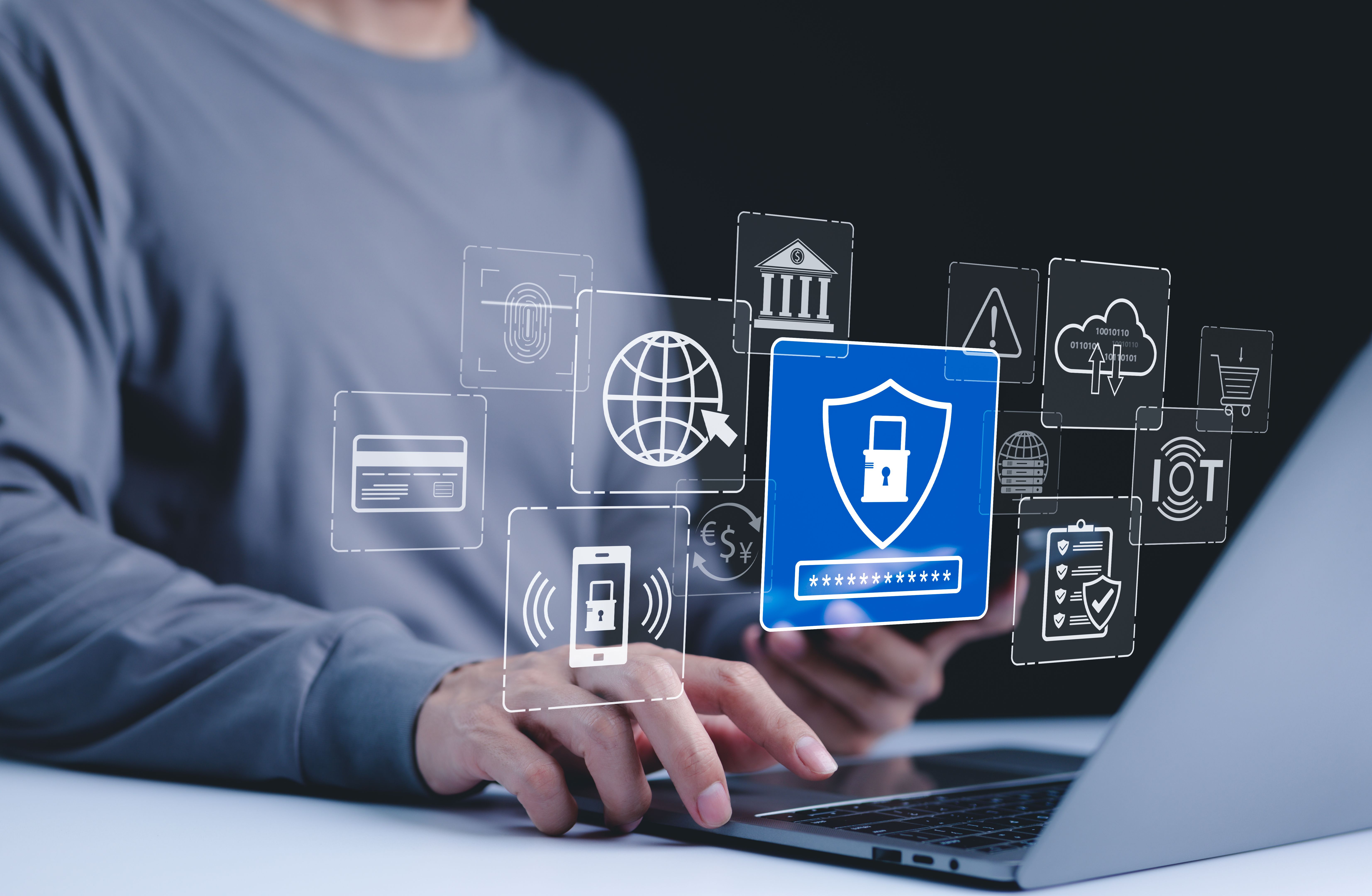
One of the most crucial steps to ensure safe online shopping is to choose reputable websites. Always shop from well-known retailers or trusted platforms. Look for the padlock icon in the address bar, which indicates a secure connection. This small detail can make a big difference in protecting your data from potential hackers.
Check for Secure Payment Options
When making a purchase, ensure the website offers secure payment options. Look for payment methods that provide an extra layer of security, such as PayPal or credit cards with fraud protection. Avoid using debit cards, as they are directly linked to your bank account and may not offer the same level of security.
Create Strong Passwords
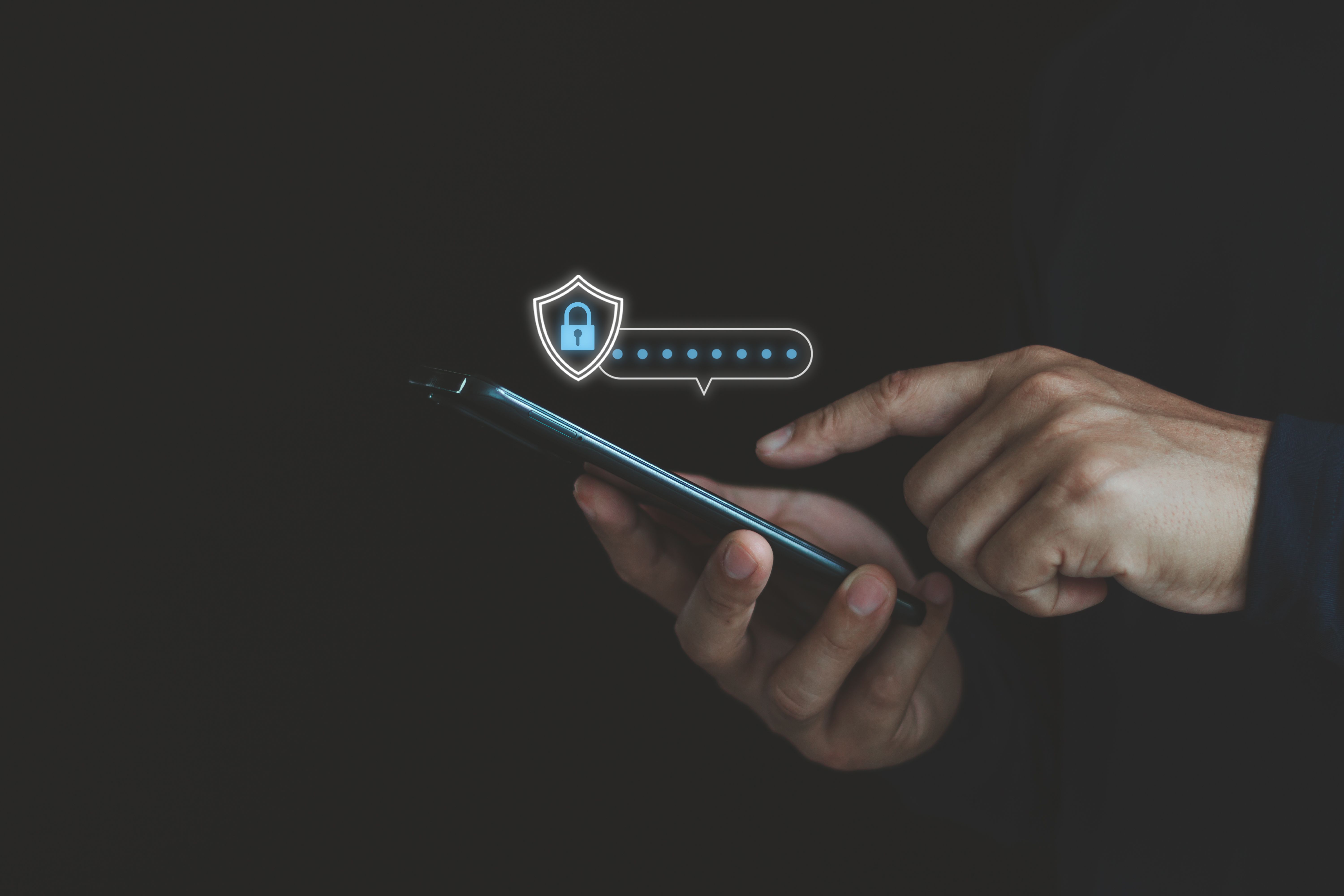
Creating strong, unique passwords for each of your online accounts is essential. Use a combination of letters, numbers, and symbols to make your passwords difficult to guess. Consider using a password manager to keep track of your credentials securely. Regularly updating your passwords can further enhance your online security.
Be Wary of Phishing Scams
Phishing scams are fraudulent attempts to obtain your personal information by pretending to be a trustworthy source. Be cautious of unsolicited emails or messages asking for sensitive information. Always verify the sender's identity and never click on suspicious links. If in doubt, go directly to the company's official website to check for any alerts or updates.
Monitor Your Accounts Regularly
Regularly monitoring your bank and credit card statements is an effective way to detect any unauthorized transactions. Set up alerts for your accounts to receive notifications for any unusual activity. Staying vigilant can help you quickly identify and address potential breaches before they cause significant damage.
Use Two-Factor Authentication
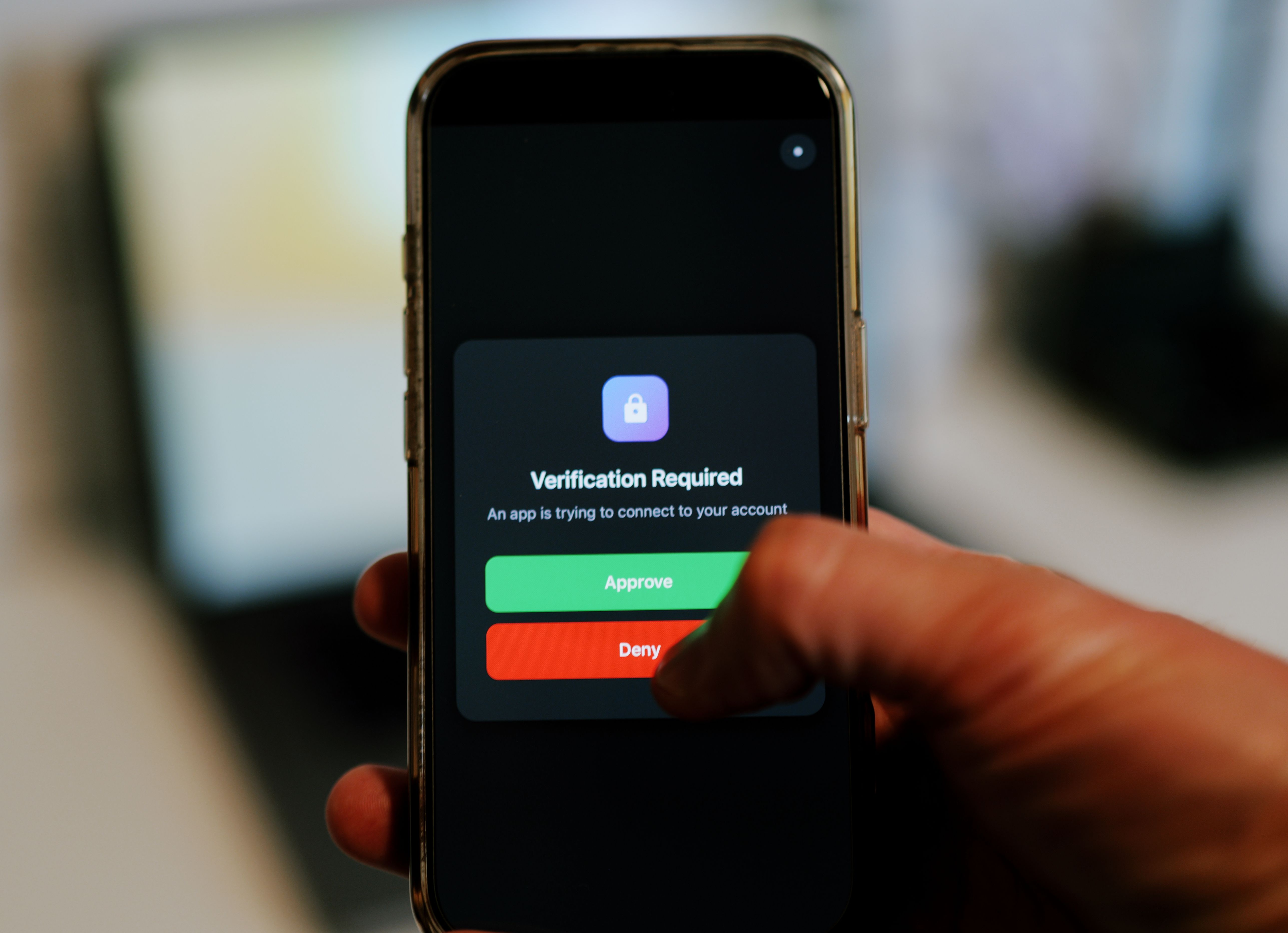
Enabling two-factor authentication (2FA) adds an extra layer of security to your online accounts. With 2FA, you’ll need to provide two forms of identification before accessing your account, typically a password and a code sent to your mobile device. This additional step can prevent unauthorized access and keep your personal information safe.
Keep Your Software Updated
Keeping your computer, smartphone, and other devices updated is vital for online security. Software updates often include patches for security vulnerabilities. By ensuring your devices are running the latest versions, you protect yourself from potential exploits that cybercriminals might use to access your data.
Educate Yourself and Others
Finally, staying informed about the latest online security threats and sharing this knowledge with others can help create a safer online environment. Encourage friends and family to follow these safety tips and discuss any new tactics that cybercriminals may use. Being proactive and informed is key to protecting your personal information online.