
How to Shop Safely Online: Tips for Secure Transactions
JK
Understand the Risks
Shopping online offers convenience and variety, but it's essential to be aware of the potential risks involved. Cybercriminals often target online shoppers to steal personal and financial information. By understanding these risks, you can take steps to protect yourself.
Choose Secure Websites
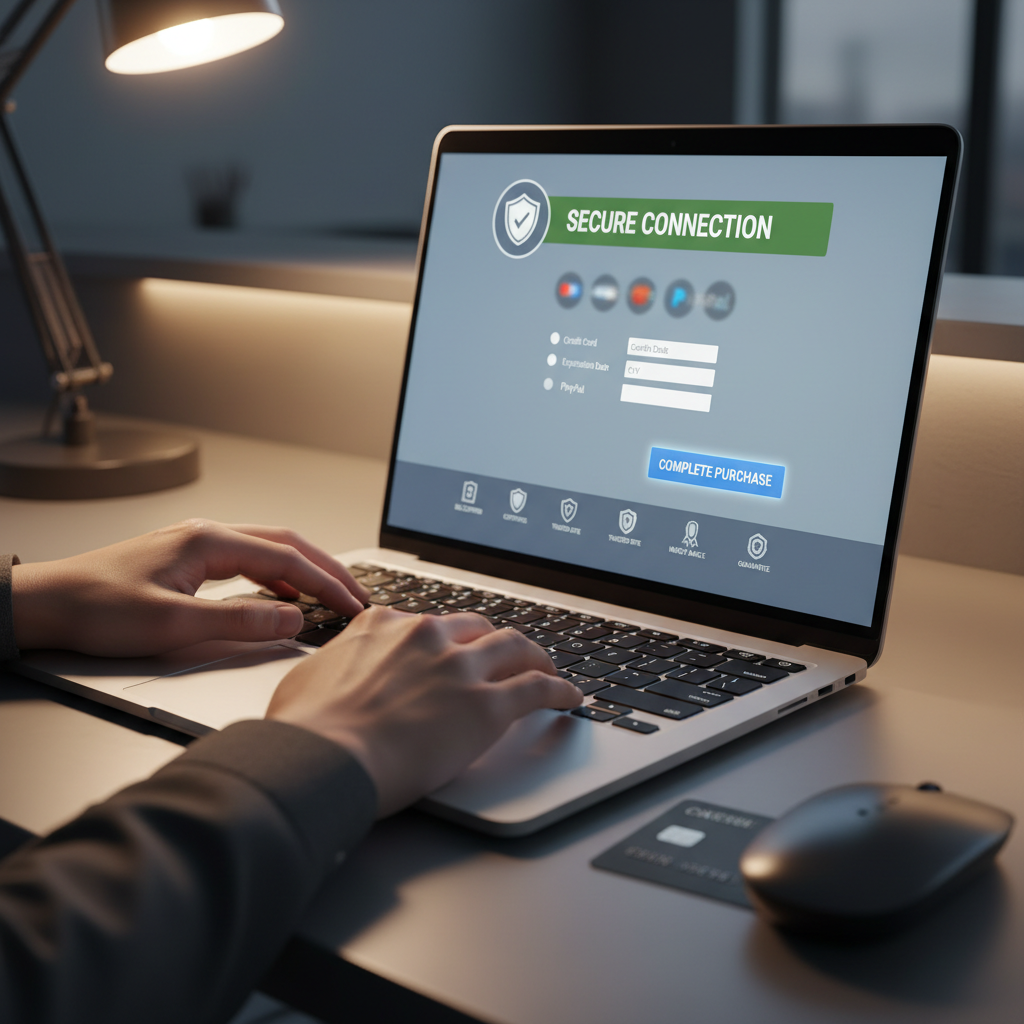
Always shop from reputable websites. Look for URLs that start with https://, as the "s" stands for secure. Additionally, check for a padlock symbol in the address bar, which indicates that the site encrypts your data.
Be cautious of websites that have numerous pop-ups or require excessive personal information. If something feels off, it's best to find another retailer.
Use Strong Passwords
Creating strong, unique passwords for your online accounts is a critical step in protecting your information. Use a combination of uppercase and lowercase letters, numbers, and special characters. Avoid using easily guessed information like birthdays or common words.
- Consider using a password manager to keep track of your passwords.
- Change your passwords regularly to enhance security.
Monitor Your Accounts
Regularly checking your bank and credit card statements can help you spot unauthorized transactions quickly. Set up alerts for any purchases made over a certain amount to get real-time updates on your account activity.
If you notice any suspicious activity, report it to your bank or credit card company immediately. The sooner you act, the more likely you are to minimize any potential damage.
Use Secure Payment Methods
When shopping online, opt for secure payment methods like credit cards or reputable payment services. These options often provide extra protection against fraud compared to debit cards or direct bank transfers.
- Consider using a virtual credit card number for online purchases.
- Be wary of retailers that only accept wire transfers or cryptocurrency.
Protect Your Devices
Ensure that your devices are secure by keeping your operating system and software up to date. Install a reliable antivirus program to protect against malware and other threats. Avoid shopping on public Wi-Fi networks, as they can be a breeding ground for hackers.

Consider using a virtual private network (VPN) when shopping online to add an extra layer of security. A VPN encrypts your internet connection, making it more difficult for cybercriminals to access your data.