
How to Recognize and Report Scams in the UK
JK
Understanding Common Scams in the UK
Scams are deceitful schemes designed to trick people into giving away money or sensitive information. In the UK, these scams can take many forms, from emails pretending to be from legitimate companies to phone calls from supposed government officials. Being aware of these tactics is the first step in protecting yourself.
Common scams include phishing emails, fake websites, and fraudulent phone calls. Often, scammers will impersonate trusted organizations like banks or government agencies to gain your trust. They may ask for personal information, urging you to act quickly to avoid supposed penalties or to secure a prize.
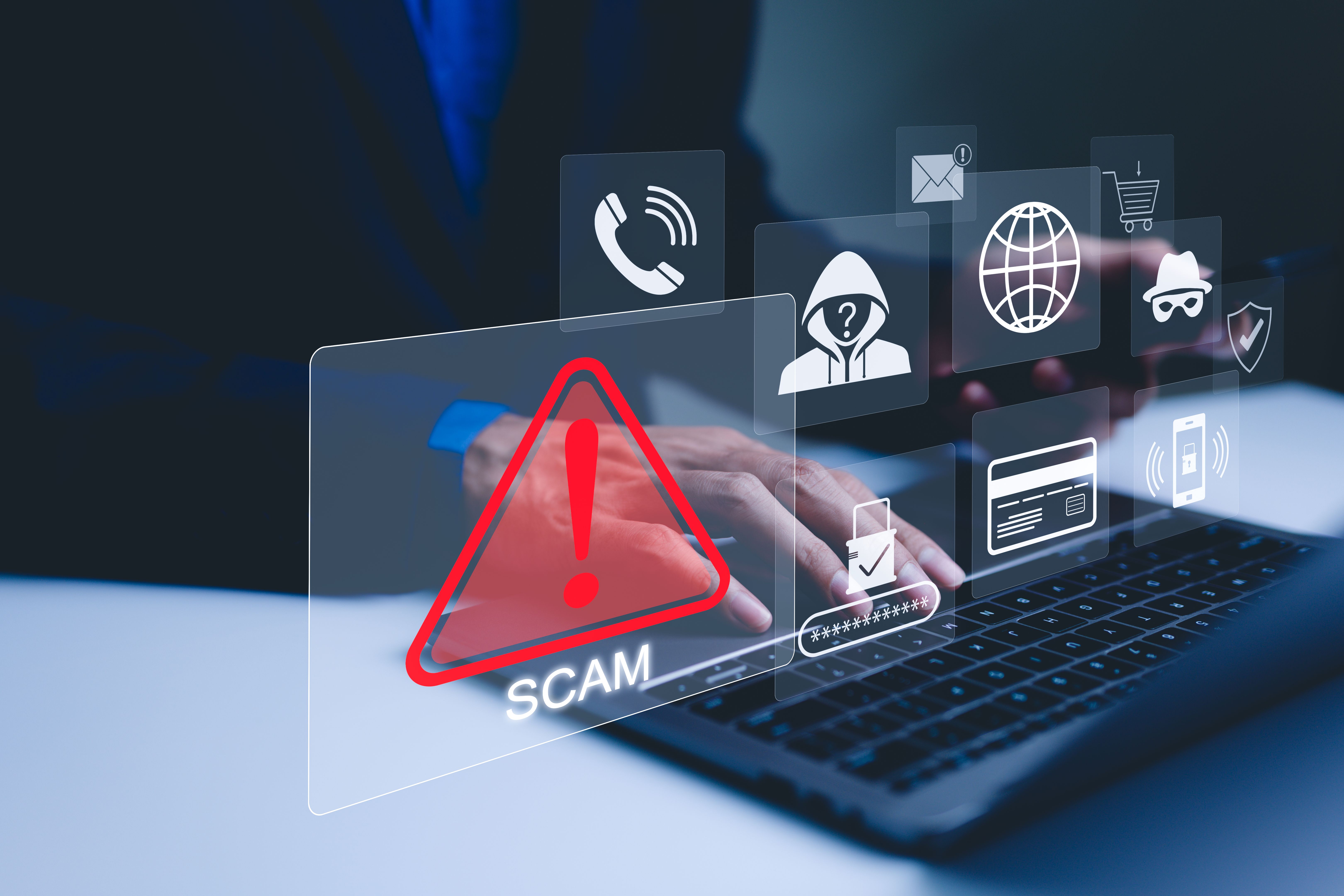
Recognizing the Signs of a Scam
It's crucial to recognize the warning signs of a scam. Be wary of any unsolicited communication that asks for personal details or financial information. Scammers often create a sense of urgency, insisting that you must act immediately.
Look out for poorly written messages with spelling and grammatical errors, as these can be red flags. Additionally, be cautious of offers that seem too good to be true, as they often are.
Unusual Payment Requests
Scammers may request payment via unusual methods, such as gift cards or wire transfers. These methods are difficult to trace and can indicate fraudulent activity. Always verify the legitimacy of a payment request before proceeding.

Steps to Take if You Suspect a Scam
If you suspect you've encountered a scam, it's important to act quickly. Do not engage with the scammer or provide any personal information. Instead, take the following steps:
- Cease all communication with the scammer immediately.
- Report the scam to the appropriate authorities, such as Action Fraud in the UK.
- Notify your bank or financial institution if you've provided any financial details.
Reporting Scams
Reporting scams helps authorities track and tackle fraudulent activities. In the UK, you can report scams to Action Fraud, the national reporting center for fraud and cybercrime. Providing detailed information about the scam can assist in investigations and help protect others.

Protecting Yourself Against Scams
Prevention is key when it comes to scams. Protect yourself by being vigilant and informed. Regularly update your passwords and use two-factor authentication whenever possible. Be cautious about sharing personal information online and always verify the legitimacy of requests.
Educate yourself and others about common scam tactics. The more people know about how scams operate, the harder it will be for scammers to succeed.
Staying Informed
Stay updated on the latest scam alerts by following trustworthy sources such as government websites and consumer protection organizations. Knowledge is your best defense against scams, as it enables you to recognize and avoid them.