
Email Phishing vs. Other Online Scams: Key Differences You Should Know
JK
Understanding Email Phishing
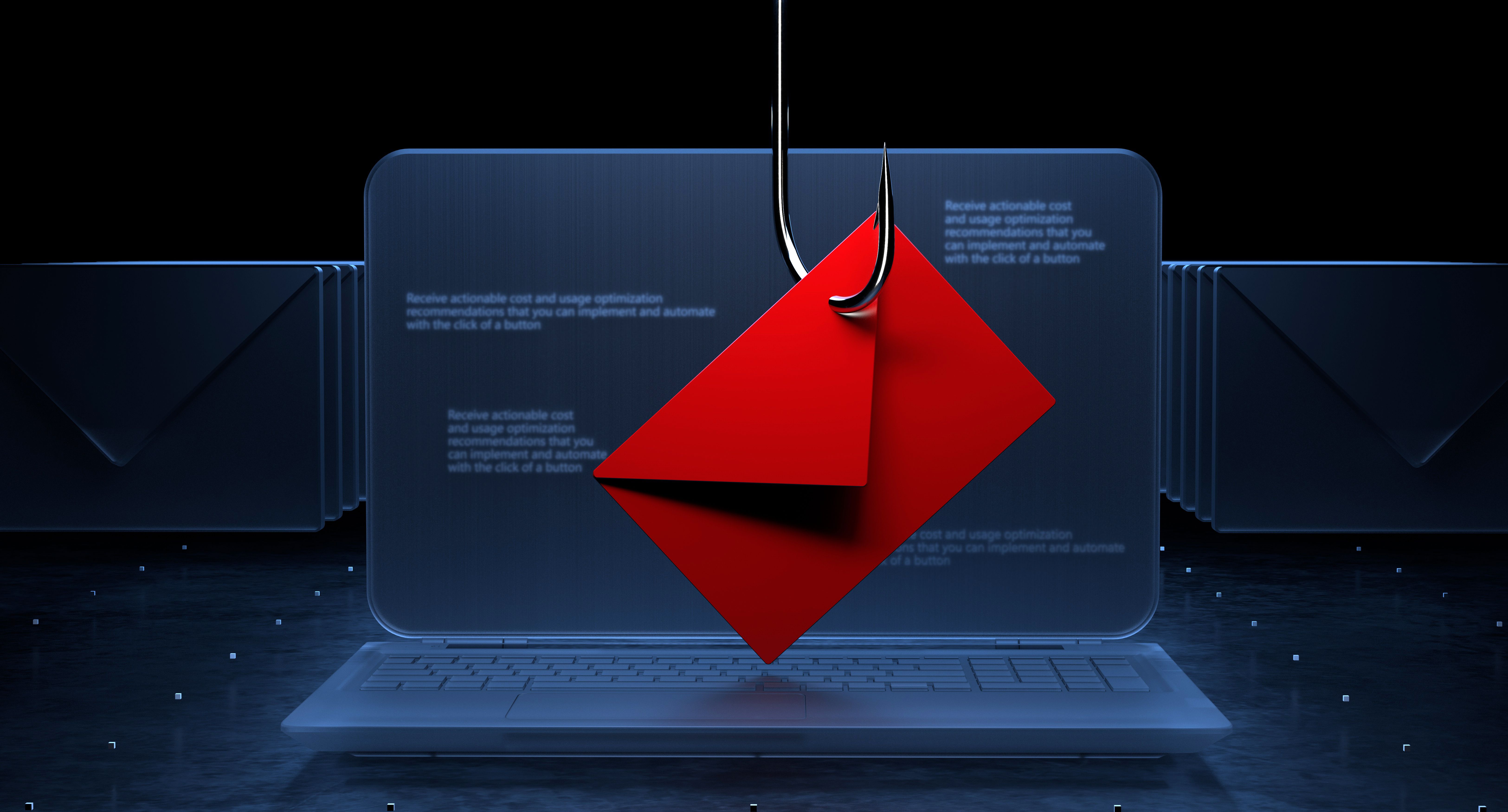
Email phishing is a type of online scam where attackers impersonate legitimate entities to steal sensitive information, such as usernames, passwords, or credit card details. Typically, a phishing email will contain a link to a fraudulent website that mimics the appearance of a real one, tricking users into entering their personal details.
Phishing attacks often exploit the recipient's trust by appearing to come from recognizable organizations, such as banks or well-known online services. The emails might contain urgent messages that provoke fear or curiosity, prompting recipients to act quickly without questioning the email's authenticity.
Recognizing Other Online Scams
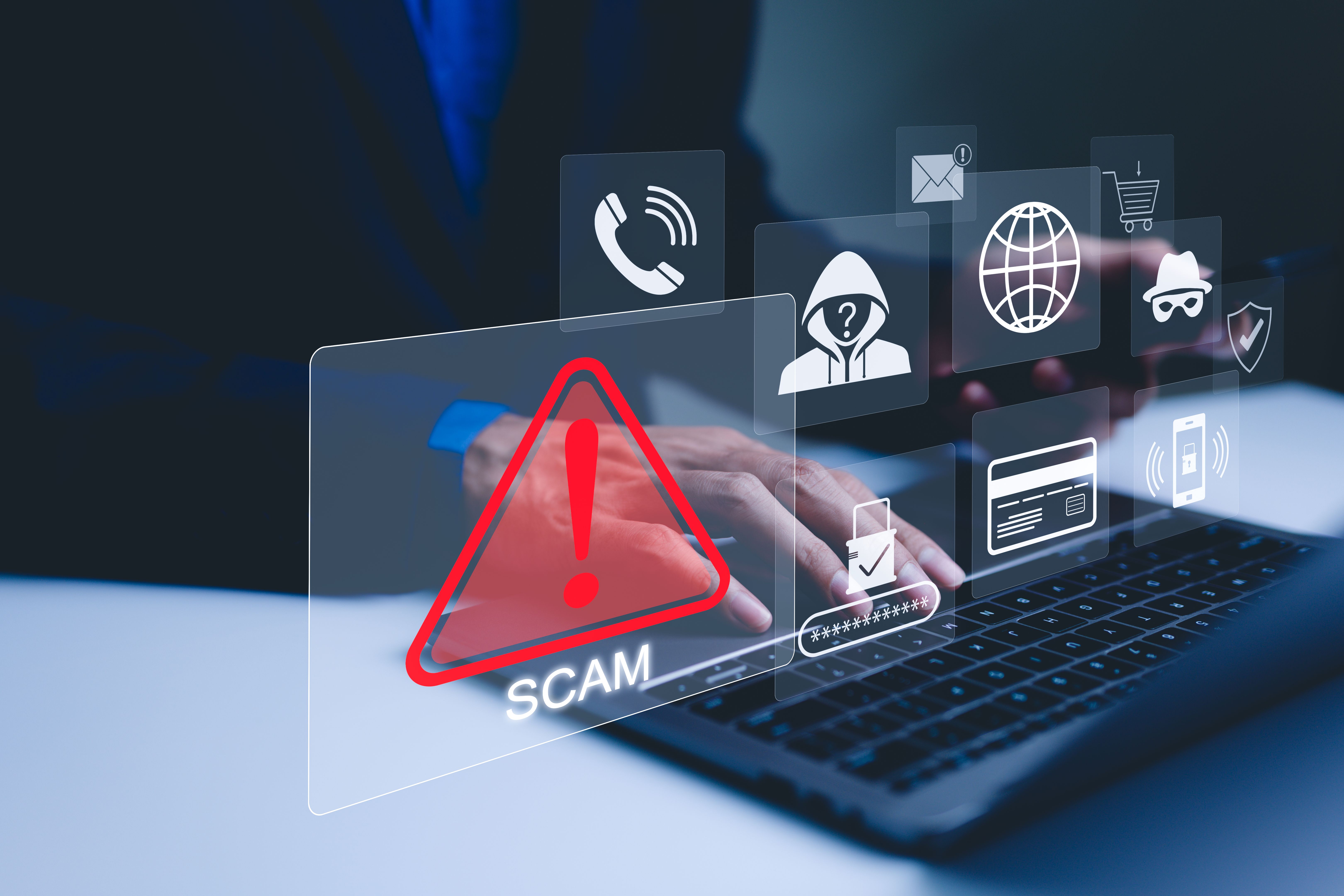
While email phishing is a prevalent threat, it is just one of many online scams. Other types include:
- Vishing: Voice phishing, where scammers use phone calls to extract personal information.
- Smishing: SMS phishing, where fraudulent messages are sent via text.
- Malware Scams: Scams that involve tricking users into downloading malicious software.
Each of these scams employs different methods to deceive victims, but they all share the common goal of stealing personal data or money.
Key Differences Between Phishing and Other Scams
Despite their similarities, email phishing and other online scams have distinct characteristics:
- Medium of Communication: Email phishing relies on email, while other scams may use phone calls, texts, or websites.
- Level of Personalization: Phishing emails are often mass-produced, whereas other scams, like vishing, might involve direct interaction with the victim.
- Technical Complexity: Some scams, such as malware attacks, may require more technical skill to execute than sending phishing emails.
How to Protect Yourself
Protecting yourself from online scams requires awareness and vigilance. Here are some practical tips to stay safe:
- Always verify the sender's email address and look for inconsistencies in the domain name.
- Be cautious of unsolicited messages and avoid clicking on suspicious links.
- Install and update security software to detect and prevent malware.
- Enable two-factor authentication on accounts for an added layer of security.
By staying informed and cautious, you can significantly reduce your risk of falling victim to these scams.
Conclusion
Email phishing and other online scams continue to evolve, becoming more sophisticated and harder to detect. By understanding the differences and characteristics of each scam, individuals and businesses can better prepare and protect themselves. Remember, vigilance and education are your best defenses against these threats.