
The Delivery Scams I See Every December


The Text That Starts It All
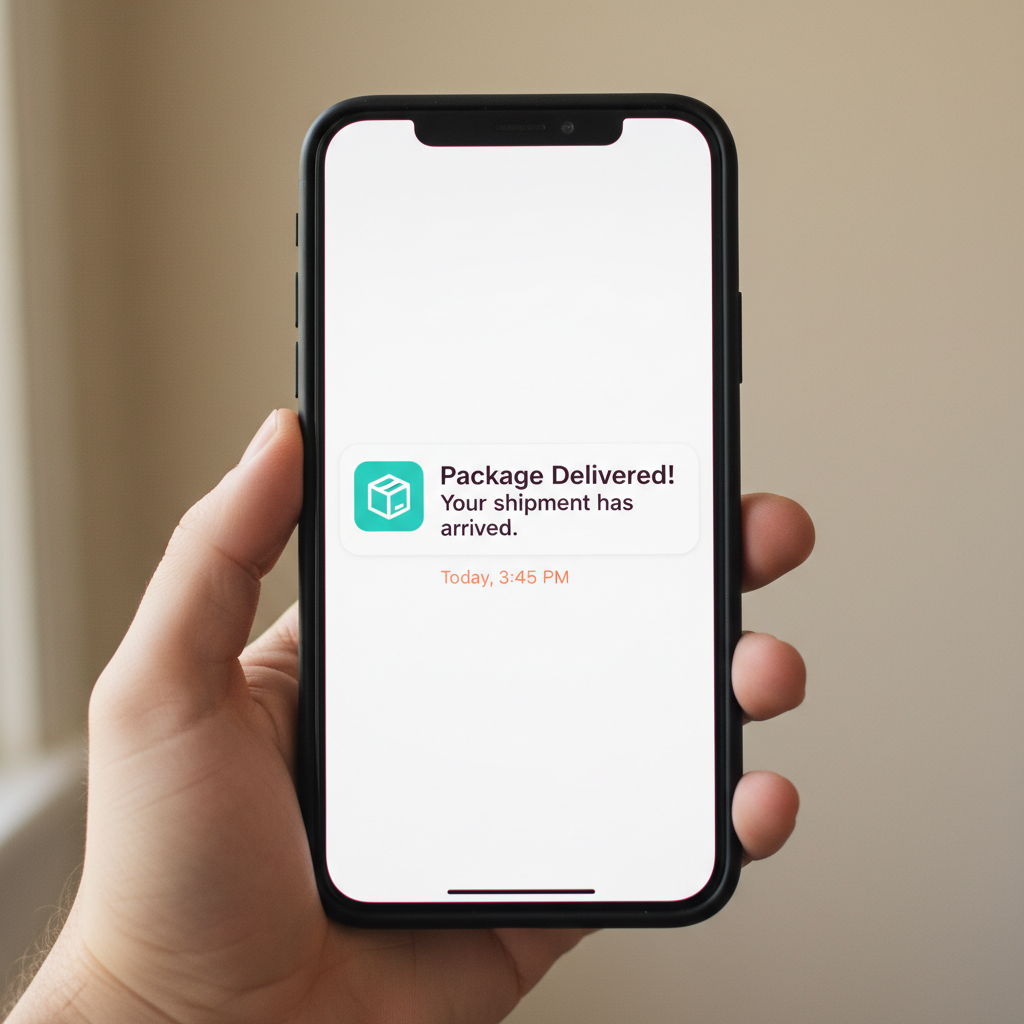
It's December, the doorbell hasn't rung in two days, and then a text lands: "Your parcel could not be delivered. Please rearrange delivery here." There's a link. It looks legitimate enough, styled like Royal Mail or a well known courier, and because you're actually expecting three or four parcels this time of year, your brain doesn't pause the way it might in June. That's exactly what makes this the busiest scam text of the year, and I get sent screenshots of it from people in Liverpool almost every week between November and Christmas.
Why December Is Prime Time for This
Scammers don't need to guess whether you're expecting a delivery in December, because almost everyone is. The volume of real courier texts goes up at the same time, so a fake one slips in among genuine ones without standing out. This is smishing, the text message version of phishing, and it works on the same principles I've covered before. The link usually leads to a page asking for a small "redelivery fee" and your card details, or it prompts you to download something under the guise of tracking your parcel. Either way, the goal is the same: get your card number, or get access to your device.
How I Tell a Real Delivery Update From a Fake One
I never click a link in a text about a delivery, no matter how convincing it looks. If I'm expecting something, I go straight to the retailer's own order tracking page or the courier's official app, which I've downloaded directly from the app store rather than through any link. Genuine couriers in the UK don't usually ask for a card payment to redeliver a parcel that's already been paid for, so any message asking for money to "release" a delivery is a strong sign something's wrong. If I'm not expecting anything at all, the text goes straight in the bin, or gets reported.
The Other December Scam I Watch For: Gift Cards
The second one I see a lot in December involves gift cards, not deliveries. It usually starts as a message claiming to be from a friend, a boss, or even a family member, asking you to urgently buy gift cards and send over the codes. It plays on the rush of the season, when people are already buying gift cards as presents anyway, so the request doesn't feel as odd as it should. No legitimate request, personal or professional, will ever ask you to pay in gift cards. If you get one, call the person directly on a number you already have, not one from the message, before you do anything else.
What I Do When a Parcel Actually Goes Missing
Real missing parcels do happen, and the process for that looks nothing like the scam texts. I contact the retailer I bought from directly, since they're responsible for getting my order to me, not the courier. I check the tracking through the retailer's own account page, and if a delivery photo shows a parcel left somewhere I don't recognise, I report it to the retailer with a screenshot. For scam texts, I forward the suspicious message to 7726 for free, which flags it to my mobile provider, and if money or details have actually been taken I report it to Action Fraud. I've written before about the wider run of Christmas shopping scams and the secure payment habits that back all of this up, and together they cover most of what catches people out this time of year. If a message doesn't sit right with you, my Safety Toolkit has more on spotting these, or you can get in touch and I'll take a look with you.