Cyber Safety Myths Debunked: What You Really Need to Know
JK
Understanding Cyber Safety Myths
In the digital age, cyber safety is a critical concern for individuals and businesses alike. However, numerous myths about cyber safety can lead to misunderstandings and vulnerabilities. It's essential to separate fact from fiction to protect yourself effectively online.

Myth 1: Antivirus Software is All You Need
Many people believe that having antivirus software is sufficient for complete cyber protection. While antivirus programs are a crucial component of cyber defense, they are not a standalone solution. Cyber threats are constantly evolving, and relying solely on antivirus software can leave you exposed to new and sophisticated attacks.
Consider implementing additional measures such as firewalls, regular software updates, and multi-factor authentication to bolster your defenses.
Myth 2: Strong Passwords Aren't Necessary
Another common myth is that strong passwords aren't necessary if you have nothing to hide. This misconception can lead to weak passwords that are easily cracked by hackers. A strong password is your first line of defense against unauthorized access.
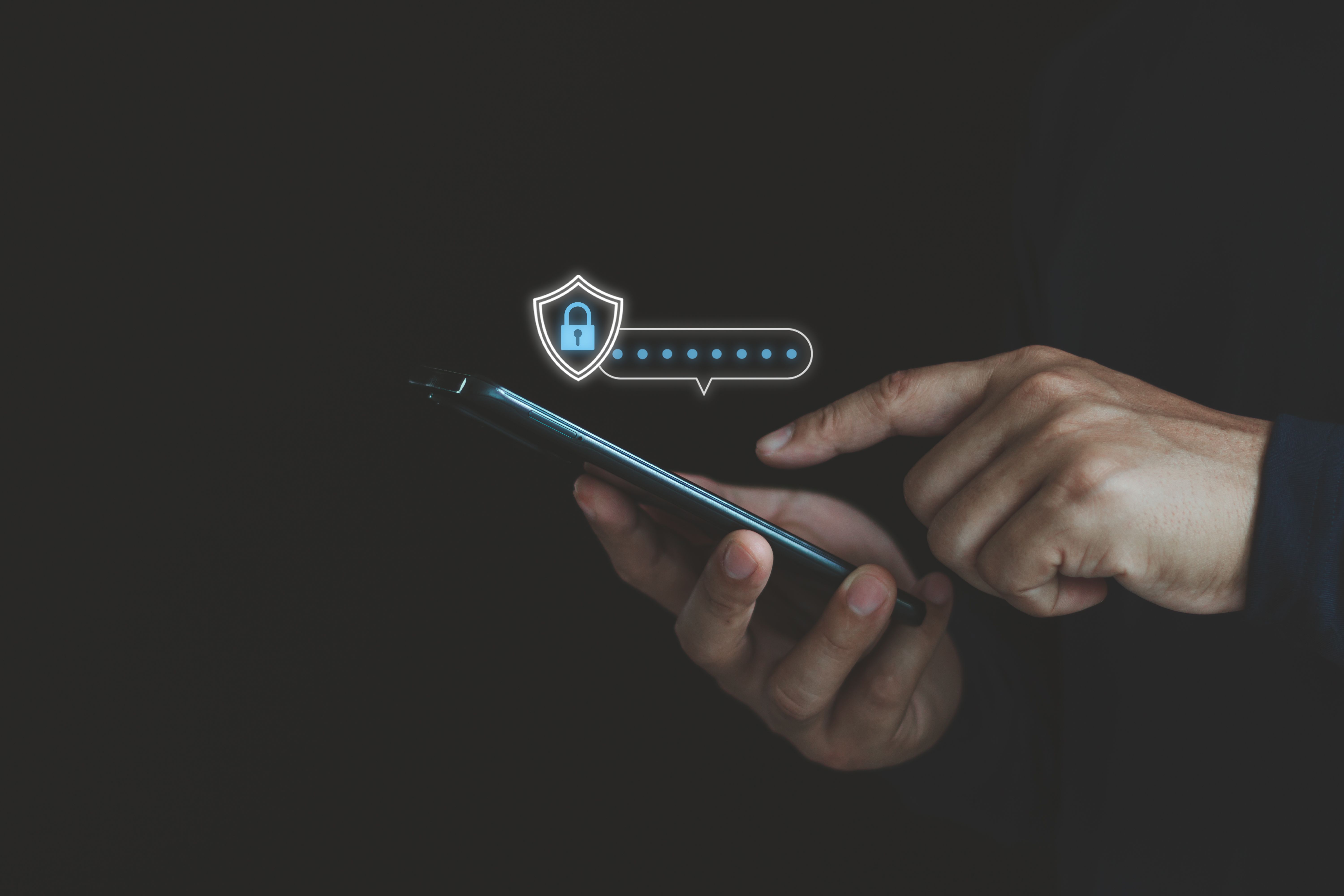
Use a combination of uppercase and lowercase letters, numbers, and special characters. Avoid using easily guessed information like birthdays or common words. Consider using a password manager to help create and store complex passwords securely.
Myth 3: Public Wi-Fi is Safe
Public Wi-Fi is convenient but often not secure. Many users mistakenly believe that these networks are safe for sensitive activities like banking or shopping. In reality, public Wi-Fi can be a goldmine for hackers looking to intercept your data.
When using public Wi-Fi, avoid accessing sensitive information. Use a Virtual Private Network (VPN) to encrypt your data and keep it safe from prying eyes.

Myth 4: Cyber Threats Only Target Large Companies
There's a misconception that only large companies are targets for cybercriminals. In truth, small businesses and individuals are equally at risk. Hackers often target smaller entities because they tend to have less sophisticated security measures.
Implementing robust cyber safety practices is crucial for everyone, regardless of size. Regularly update your systems, educate employees about phishing scams, and back up your data frequently.
Conclusion
Debunking these cyber safety myths is an essential step towards better online protection. By understanding the realities of cyber threats and implementing comprehensive security strategies, you can significantly reduce your risk of falling victim to cyberattacks. Stay informed, stay secure, and keep your digital life protected.