
A Comprehensive Guide to Protecting Yourself from Phishing Attacks
JK
Understanding Phishing Attacks
Phishing attacks are a type of cybercrime where attackers impersonate legitimate organizations to steal sensitive information such as usernames, passwords, and credit card details. These attacks are usually conducted via email, social media, or malicious websites. It’s crucial to be aware of the tactics used by cybercriminals to protect yourself effectively.
Recognizing Phishing Attempts
Suspicious Emails
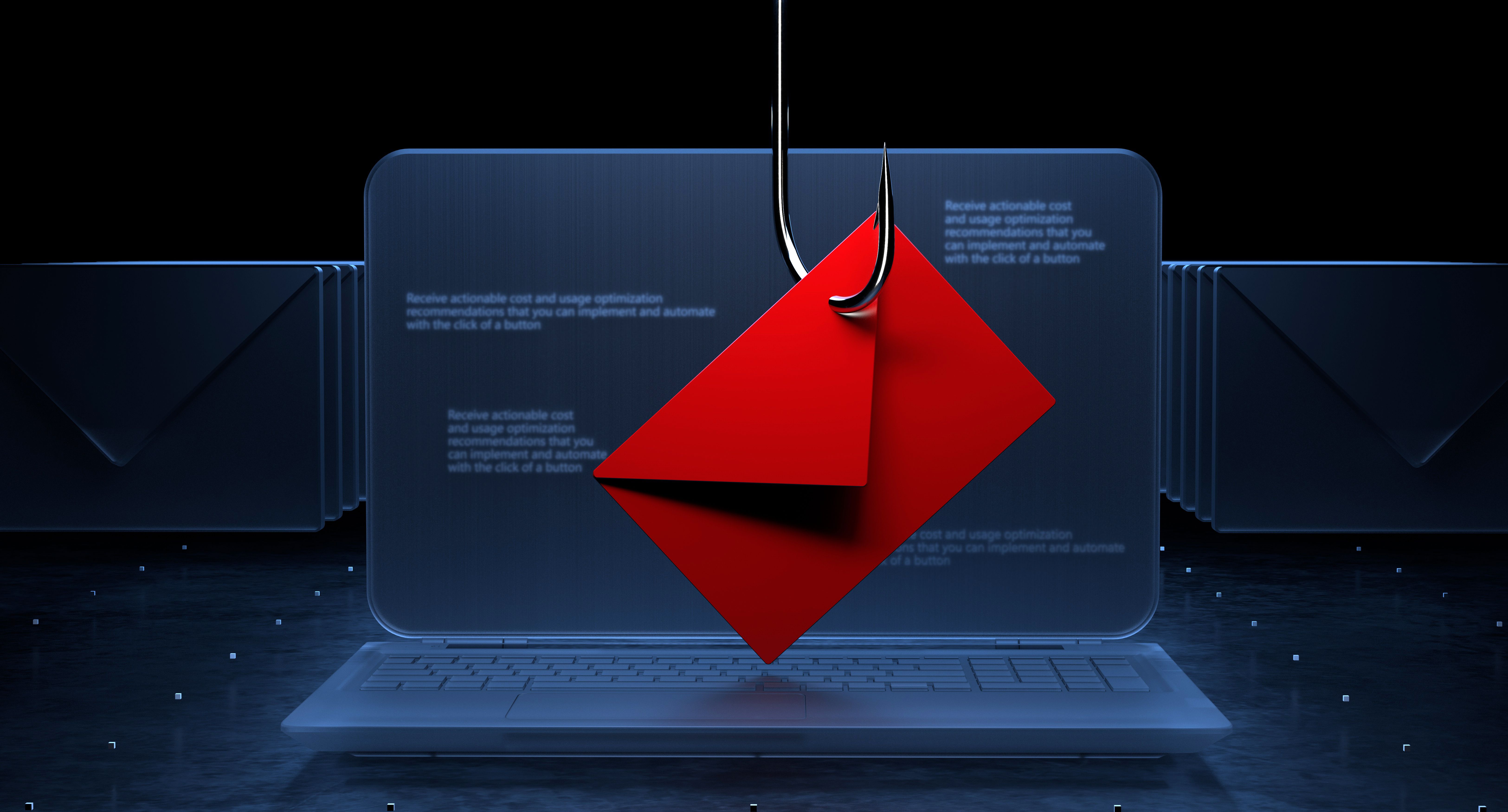
One of the most common forms of phishing is through email. Be wary of emails that create a sense of urgency, request personal information, or contain unfamiliar links or attachments. Always verify the sender's email address for authenticity.
Fake Websites
Phishers often create fake websites that mimic legitimate ones. Always double-check the URL for discrepancies. Secure websites generally start with "https://" and have a padlock icon in the address bar, indicating a secure connection.
Best Practices for Protection
Use Strong Passwords
Ensure all your passwords are strong and unique. Use a combination of letters, numbers, and symbols. Consider using a password manager to keep track of your passwords securely.
Enable Two-Factor Authentication
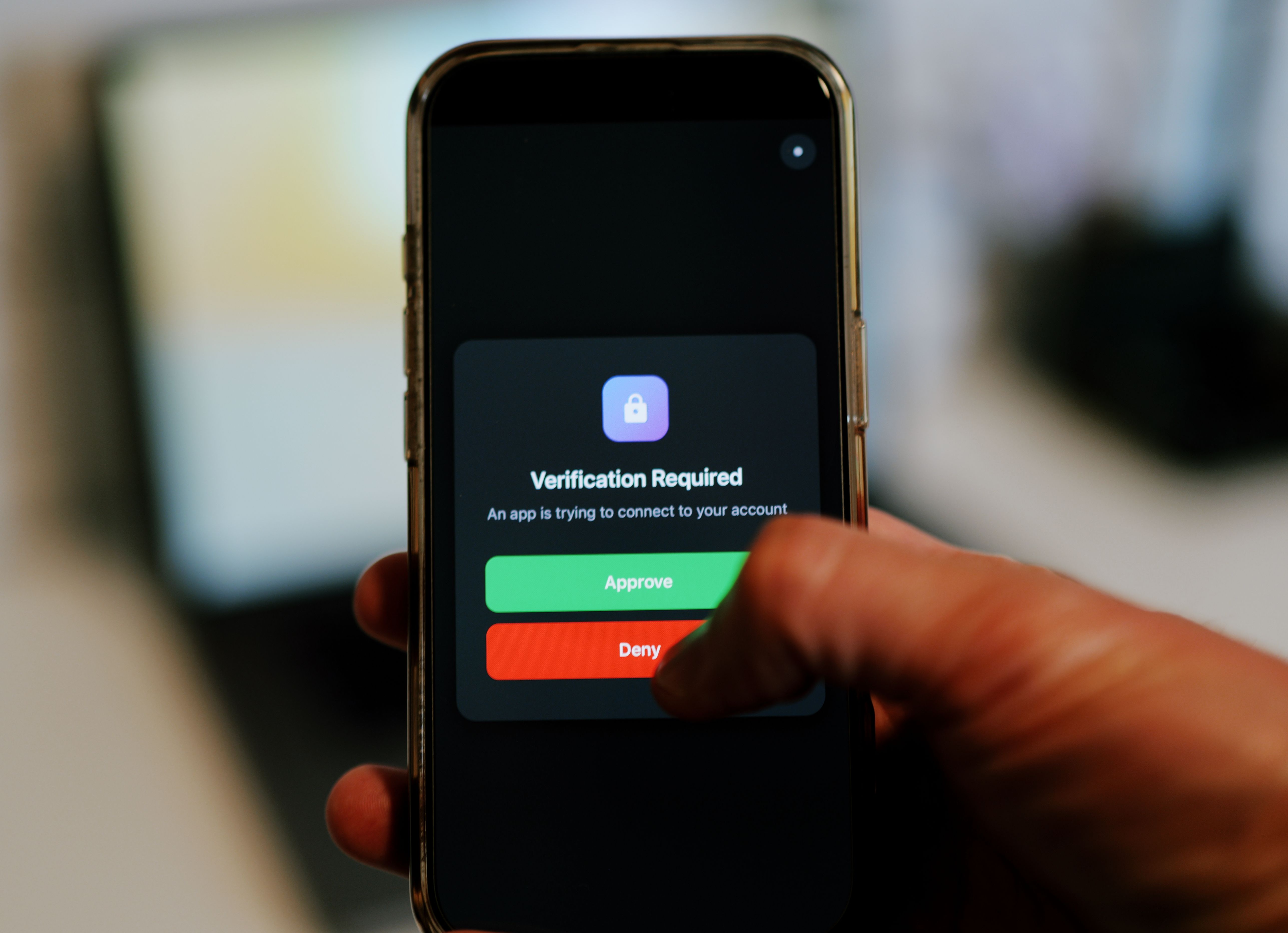
Two-factor authentication (2FA) adds an extra layer of security by requiring a second form of verification. This could be a text message code, a fingerprint scan, or an authentication app.
Educating Yourself and Others
Stay informed about the latest phishing techniques and educate those around you. Many organizations offer training and resources to help individuals recognize and handle phishing attempts. Sharing this knowledge can help build a stronger defense against cyber threats.
Phishing attacks are constantly evolving, but by staying vigilant and informed, you can significantly reduce the risk of falling victim to these scams. Protect yourself and your information by following the guidelines outlined above.